Back on the Road With Confidence - Reliable Auto Repair
Essential auto repair guarantees safe and efficient vehicle operation. A credible shop presents comprehensive work, from routine checks to urgent repairs. Knowing when a car needs attention can prove tricky. Many drivers have trouble discovering trustworthy mechanics. Ongoing upkeep contributes significantly to extending a vehicle's lifespan. Yet, the challenges regarding expenses and communicating with technicians can leave one hesitant. What measures can drivers implement to maintain their vehicles in driving condition?
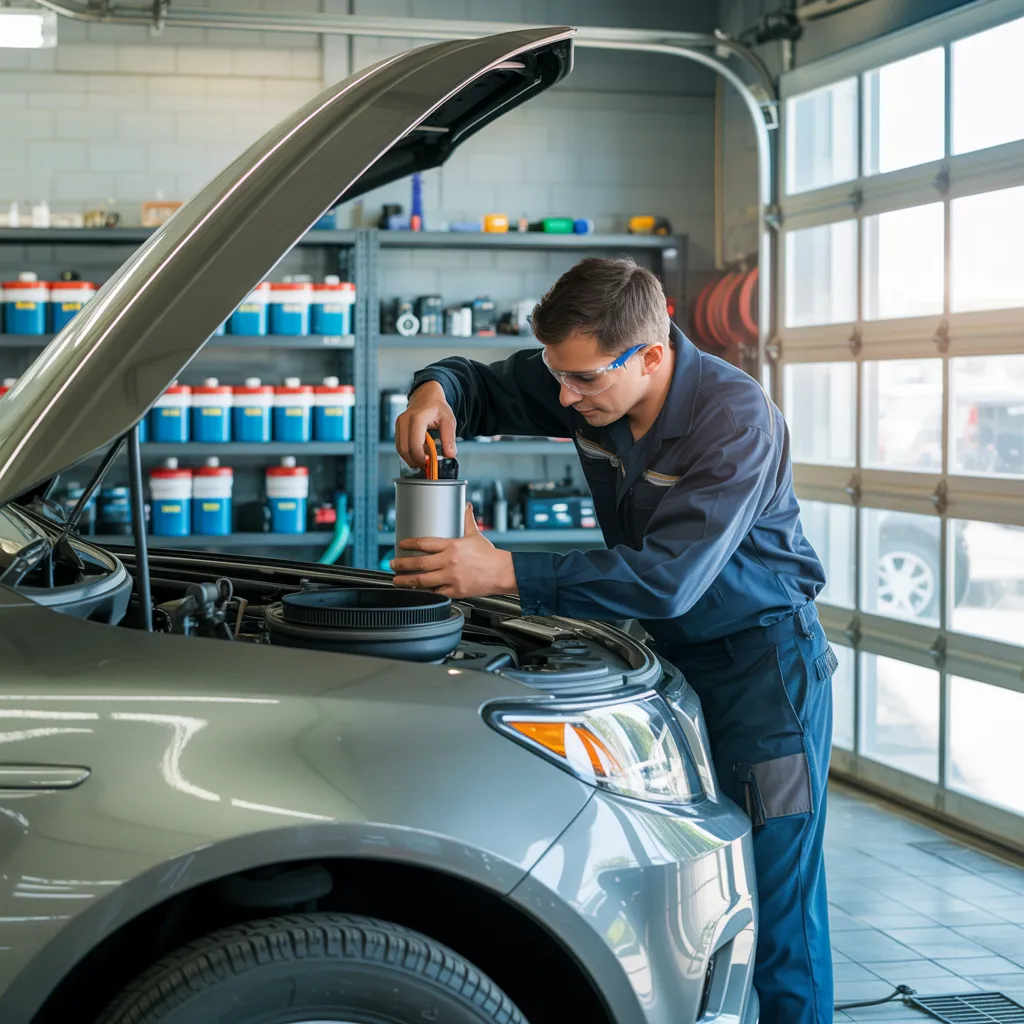
Recognizing When Your Vehicle Requires Maintenance
How can one figure out when a vehicle requires attention? There are multiple key indicators that show a maintenance requirement. Abnormal noises, such as grinding or squeaking, often suggest brake or engine troubles. Warning lights on the dashboard, especially the check engine light, should not be ignored, as they warn of potential problems that require immediate investigation. Moreover, a reduction in performance, such as sluggish acceleration or difficulty starting, can also suggest underlying mechanical issues.
Visual signs, such as leaking oil or uneven tire wear, are additional signals that upkeep is necessary. If the vehicle shifts to one side while in motion, this could denote alignment troubles or tire problems. Consistently monitoring these factors can help verify timely servicing, avoiding extensive damage and costs in the coming years. In essence, being observant and forward-thinking is essential for maintaining automotive wellness.
How to Discover a Dependable Auto Repair Shop
Finding a dependable auto repair shop can be tricky for motorists. To commence, individuals should ask for advice from friends, relatives, or colleagues. Personal experiences often yield helpful information into a shop's service standards. Online reviews and ratings on services like Yelp or Google can help gauging patron fulfillment.
Next, checking for licenses and partnerships with reputable trade associations, such as the Automotive Service Excellence (ASE), can reveal a shop's adherence to industry excellence. It is advisable to tour candidate businesses for an preliminary discussion, permitting proprietors to assess neatness, efficiency, and client care.
Furthermore, acquiring written estimates before any work begins can avoid misunderstandings concerning costs. Finally, a reliable shop should be open about its services and willing to detail repairs. By adhering to these steps, vehicle owners can increase their chances of locating a reputable auto repair shop.
The Significance of Consistent Car Upkeep
While many car owners may overlook regular maintenance, consistent vehicle maintenance is essential for ensuring a car's lifespan and peak performance. Skipping maintenance can result in a series of problems, from minor inconveniences to major repairs. Regular inspections, such as oil changes, wheel adjustments, and brake inspections, can prevent costly repairs and improve safety on the road.
Additionally, regular upkeep helps maintain a vehicle's fuel economy, reducing overall operating costs. It also protects the market value; a well-maintained car is often more attractive to prospective customers.
Taking part in routine care fosters a sense of ownership among owners, pushing them to keep informed about their vehicle's maintenance needs. By prioritizing maintenance, vehicle owners not only preserve their investment but also support general driving safety. Ultimately, consistent maintenance routines is a proactive approach that serves both the owner and the general public.
Understanding Maintenance Costs
Understanding maintenance expenses can often be perplexing for car owners. Various factors affect these costs, including labor rates, parts pricing, and the intricacy of the repair itself. Labor costs vary widely by location and facility, often reflecting the mechanic's expertise and the shop's overhead. In addition, the kind of components used—whether original equipment manufacturer (OEM) or third-party—can greatly affect the total cost.
Vehicle model and age also play a role; rare or vintage models may need specialized parts that are more expensive and harder to source. Moreover, unexpected issues can occur during maintenance work, resulting in extra expenses that were not originally expected. By developing fundamental knowledge of such considerations, vehicle owners can approach repair estimates with greater confidence and make informed decisions regarding their car-related necessities.
How to Precisely Communicate Car Problems to Your Technician
Communicating car problems clearly to a mechanic can significantly improve the diagnosis and repair procedure. When detailing problems, car drivers should be specific about symptoms, such as unusual noises, vibrations, or warning lights. Offering details on when the issue occurs—whether during acceleration, braking, or sitting idle—can also support the technician pinpoint the issue.
It is helpful to track any new changes in driving patterns or repair records. Using clear, straightforward language reduces uncertainty, assisting the mechanic to grasp the circumstances more clearly. Car owners should avoid relying on technical jargon unless they are sure of its sense.
Furthermore, supplying documentation, like service records or previous repair invoices, can supply context. A precise account not only helps with swift diagnosis but also builds a collaborative relationship between the car owner and the mechanic, ultimately resulting in effective repairs.
Developing a Long-Lasting Association With Your Auto Repair Shop
Forging a extended relationship with an auto repair shop is based on trust and transparency. Dependable quality service builds this connection, while open communication options make sure that clients feel cherished and recognized. As a whole, these elements establish a working relationship that benefits both the individual and the mechanic.
Build Confidence Through Transparency
When customers feel educated about the repairs their vehicles require, trust naturally forms between them and their auto repair shop. Transparency in communication is key; it allows customers to understand the motivation behind recommended repairs and maintenance. Auto repair shops that provide in-depth explanations, precise estimates, and open dialogues promote a sense of security among their clientele. This openness not only clarifies the repair process but also empowers customers to make well-informed decisions. Additionally, sharing information about the shop’s qualifications, warranties, and service history improves credibility. By focusing on transparency, auto repair shops can nurture lasting relationships, encouraging repeat business and retention. Ultimately, trust through transparency facilitates a more satisfying and trustworthy auto repair experience.
Dependable Quality Service
Consistent superior service is the cornerstone of a permanent connection between customers and their repair shop. When customers obtain reliable and efficient repairs, they are more likely to return for future maintenance. This steadiness fosters trust, allowing customers to be confident in the expertise of the technicians. Over time, as customers witness the same high standards being upheld, a sense of loyalty develops. Regularly performed quality checks and adherence useful information to industry standards guarantee that vehicles are not only repaired but also cared for to prevent later problems. Such dedication to excellence creates an environment where customers feel valued, knowing their vehicles are in capable hands. Ultimately, this commitment to consistent quality service strengthens the bond between auto repair shops and their clientele.
Open Dialogue Channels
Effective interchange acts as an vital connection between patrons and their auto repair shops, bolstering trust and understanding. Open communication channels foster a teamwork-oriented environment where customers feel valued and kept in the loop. When repair shops provide clear accounts about work performed, costs, and timeframes, customers can make better determinations about their vehicles. Consistent updates during repairs can alleviate apprehension and forge confidence in the shop's proficiency. Conversely, patrons who express their reservations and preferences contribute to a more personalized engagement. This reciprocal dialogue not only strengthens relationships but also stimulates allegiance. By prioritizing open communication, auto repair shops can create a reputation for trustworthiness, ensuring that patrons return for subsequent requirements, confident in the labor they will receive.
Often Asked FAQs
What Steps Should I Take if My Car Stops Working All of a Sudden?
If a vehicle breaks down unexpectedly, the driver should cautiously exit the traffic lane, switch on hazard lights, examine the situation, and seek roadside assistance or a tow service if needed. Staying calm is important.
How Can I Confirm if a Mechanic Is Sincere?
To determine a mechanic's trustworthiness, one should check reviews, seek recommendations, verify qualifications, and observe transparency in costs. A trustworthy technician will speak plainly and offer thorough descriptions of required maintenance and services.
Do warranties offered on vehicle maintenance?
Numerous auto repair shops offer coverage on their services and parts, typically ranging from 90 days to several years. Customers should ask about specific terms and conditions to guarantee adequate coverage for their repairs.
What Supplies Should I Store in My Car for Critical Moments?
A well-prepared car should have a spare tire, jack, jumper cables, flashlight, first aid kit, basic tools, and tire pressure gauge. These necessities help provide safety and address minor issues during unexpected emergencies on the road.
How Can I Ready My Car for Seasonal Transitions?
To set up a car for climate shifts, one should check liquid amounts, inspect tires for tread and pressure, test the battery, replace wipers, and make sure lights operate as intended for optimal safety and efficiency.